Area 2 Farms: Moving the Farm, Not the Food - Indoor Ag-Con

| Source | indoor.ag |
| Published | Oct 14, 2025 |
| Curated by | @stevek |
| Curated on | Apr 25, 2026 |
| Tags | greenhouse-agriculture, greenhouse-farming, indoor-ag, smart-agriculture |
Oct 14, 2025 … Backed by $9 million in new funding, Area 2 is preparing to expand its pilot success into cities nationwide. Indoor Ag-Content caught up with Tyler Baras, Chief …

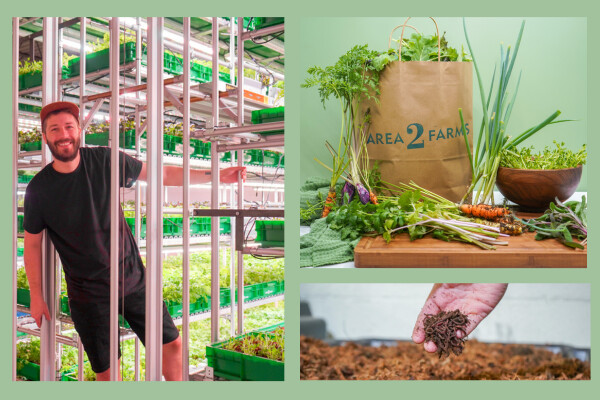
Area 2 Farms: Moving the Farm, Not the Food
Written by Indoor Ag-Con on October 14, 2025. Posted in Blog.
As cities look for creative ways to repurpose underused real estate, Area 2 Farms is growing a new kind of opportunity—literally. Based in Arlington, Virginia, the company combines automation, soil-based cultivation, and a hyperlocal CSA model to bring fresh produce closer to consumers. Backed by $9 million in new funding, Area 2 is preparing to expand its pilot success into cities nationwide. Indoor Ag-Content caught up with Tyler Baras, Chief Science Officer and Co-Founder, to learn more about their approach, technology, and what’s next.
Congratulations on becoming a dad! Between farming and fatherhood, what’s been the bigger learning curve so far?
Thank you! I’m a new dad, so I am sure there are all sorts of unexpected surprises in store. But my hope, if there is a parallel, is that nurturing a life leads it to flourish.
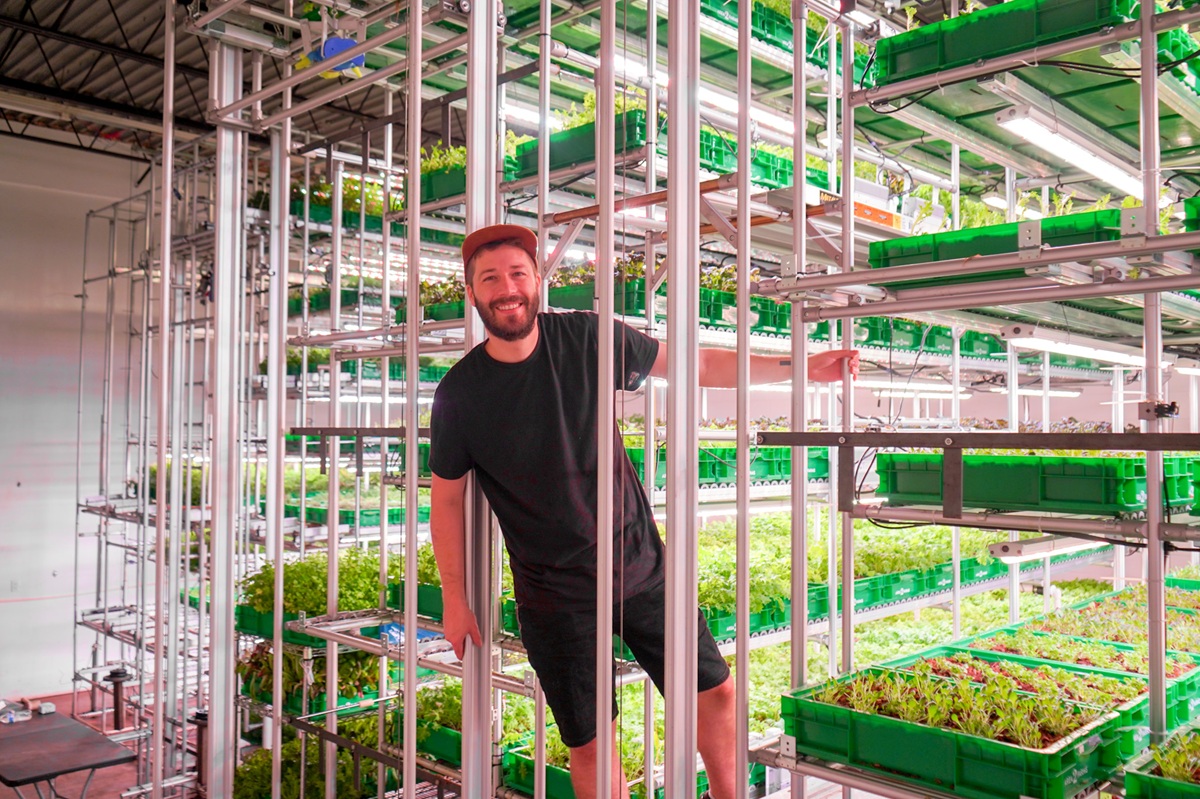
Your first farm in Arlington has shown how flexible your model can be. What lessons from that pilot are shaping how you’ll design and deploy future locations as you expand into new cities?
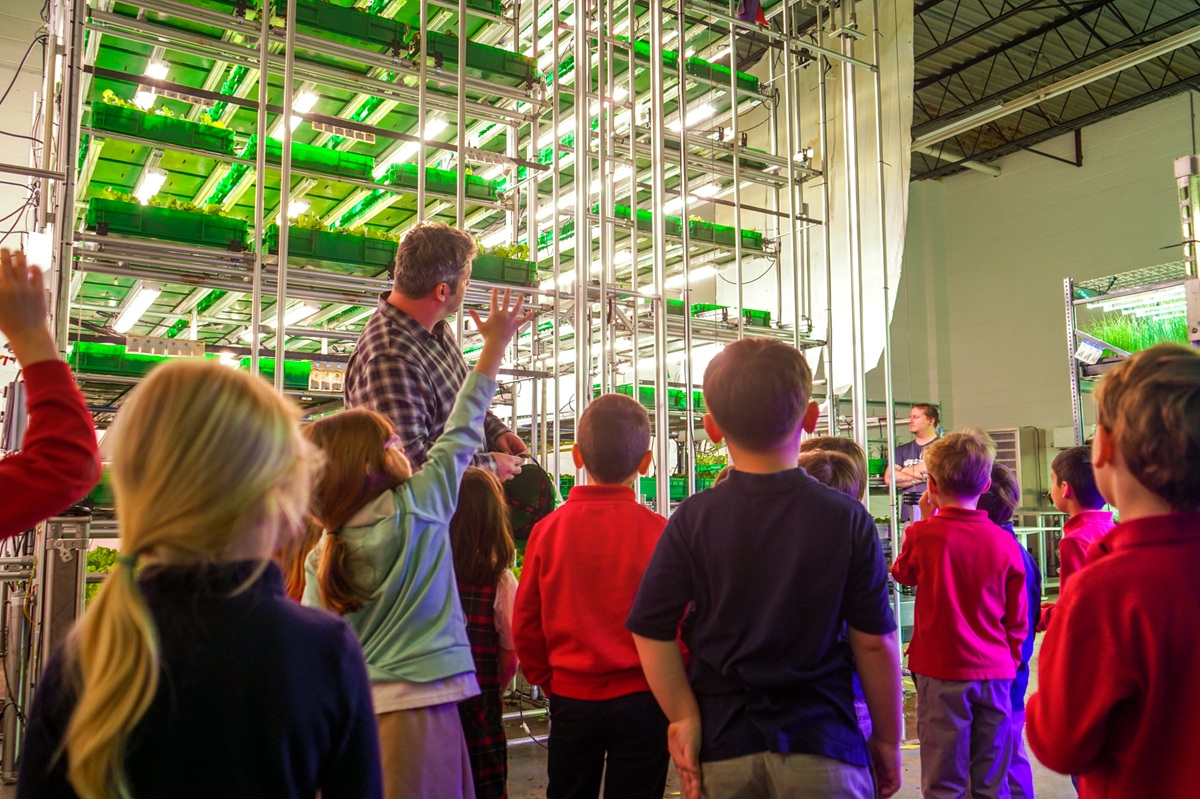
Our Arlington, VA location has been an incredible starting point. At every farm I’ve worked at some of the best moments were farm tours for visitors. I knew opening the farm to the public would spark excitement in visitors but seeing that translate into consistent sales has been amazing. Our motto is “move the farm, not the food” and we’ve seen this work to the benefit of not just the farmer, which gets better margins selling direct and eliminates the squeeze from selling to distributors, but for customers they’re getting the freshest product and we can offer crops they’ve probably never seen. Most crops are grown for their suitability to the supply chain, but we just select what tastes great!
One of the biggest lessons in the work we do is the importance of a repeatable design centered around the farmer. Farming is a continuous pursuit, and you have to ask everyday is this repeatable, is it good for farmers, is it good for the community, and does it make sense financially.
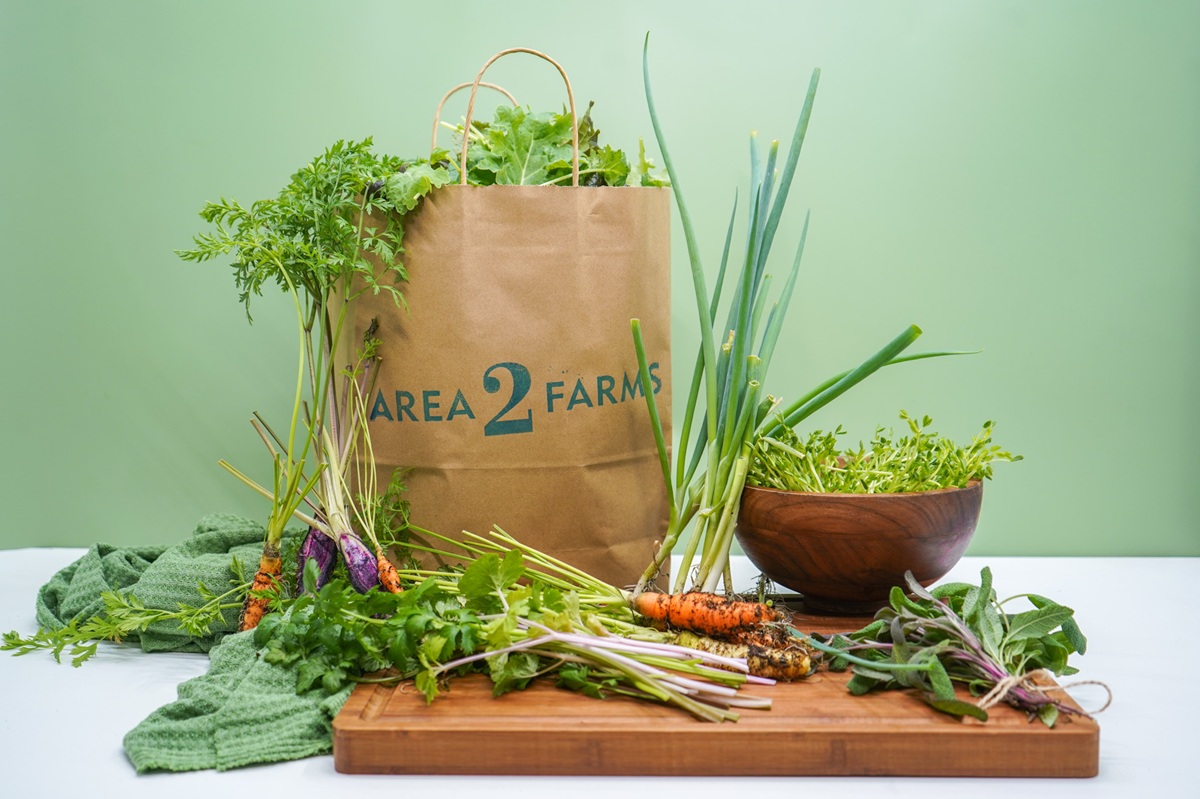
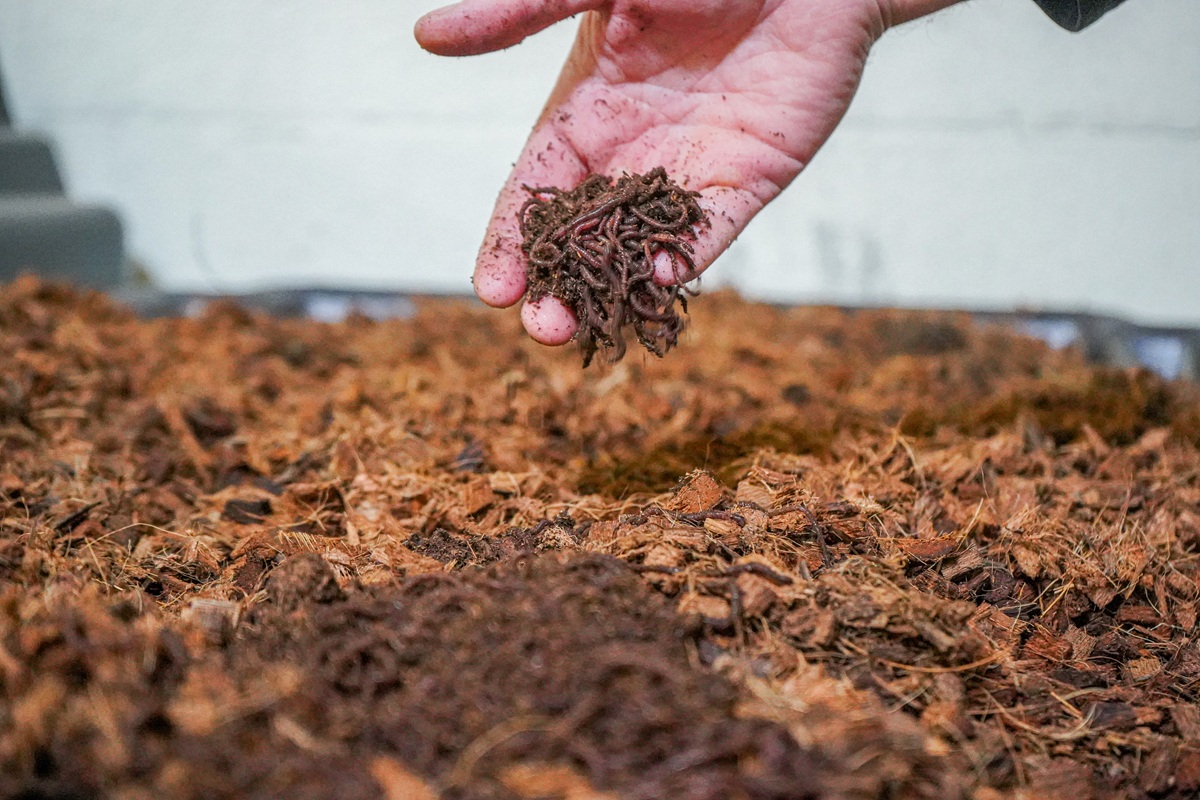
Unlike most vertical farms, Area 2 uses soil instead of hydroponics. Why take that approach, and what advantages have you seen in crop quality or variety?
Healthy soil is the foundation, and it’s a major differentiator in the crops we can grow, not just leafy greens. We’re very proud of our ability to grow a wide range of crops. Carrots were one of our first challenges and since we’ve continued to expand our list of non-traditional vertical farm crops with turnips, radishes, onions, leeks, potatoes, kohlrabi, and so much more. We want to be our community’s go-to farmer, not just their salad guy. Being able to grow a differentiated set of basket items has been essential from the beginning.
Your patented Silo system automates light cycles and crop movement. How does this setup boost productivity or efficiency compared to traditional vertical farms?
Over the past 15 plus years in the CEA space, I’d seen several persistent challenges in vertical farming. Profitability, labor, energy, and expense, which are all addressed by our system. We’ve removed the need for an expensive, energy intensive and complicated HVAC system, and removed the elaborate irrigation systems, all by pairing the most common climate problem in a vertical farm with a plant physiology solution. Heat rises. On average most vertical farms operating around 10’ to 20’ tall have about a 10 to 15 degree temperature difference from bottom to top. Plants want a 10 to 15 degree temperature difference between their day and night. We move plants through the naturally occurring stratified temperature zones in the vertical farm so plants experience their dark cooler night at the bottom of the room and their bright warmer day in the middle and top of the room. Instead of attempting to swing the climate of the full room from warmer to cooler everyday to create the ideal conditions for plants, we have a steady state climate in our room and move plants in these naturally occurring microclimates that meet their needs for each part of their day. This movement comes with a ton of extra benefits and cost savings, and farmers can easily access any plants in the system as they travel through the lower levels.
Plants move through the naturally occurring stratified temperature zones in a 24-hour period to experience a cool night at the bottom and a warm day at the top.
Your CSA-style model connects farmers directly with neighbors. As you expand, how do you keep that same local, community feel?
It starts with the farmers. They are the heart of our community connection. Our goal is to empower more farmers and to support them in being leaders in their communities. We open our farms up to the community, and through tours and events and delivering amazing produce, our farmers build a direct relationship between the community and the farm. Once people can see exactly where their food is coming from and how it’s grown, everything changes.
Do you see opportunities to collaborate with other CEA operators, researchers, or technology providers as you grow your network of farms?
Absolutely. Behind every farmer is a farmer, and we’re collaborating all of the time.
Learn more about Area 2 Farms by visiting the website here.
CEA, CSA, indoor farming, supply chain
Privacy Policy.
We use cookies and similar technologies to improve your experience on our website.
Accept
Reject
Manage Settings
Privacy Settings
This website uses cookies and similar technologies. They are grouped into categories, which you can review and manage below. If you have accepted any non-essential cookies, you can change your preferences at any time in the settings.
Functional
These technologies are required to activate the core functionality of our website.
Preferences
These technologies allow our website to remember your preferences and provide you with a more personalized experience.
- OpenStreetMap
Accept all
Reject all
Save
